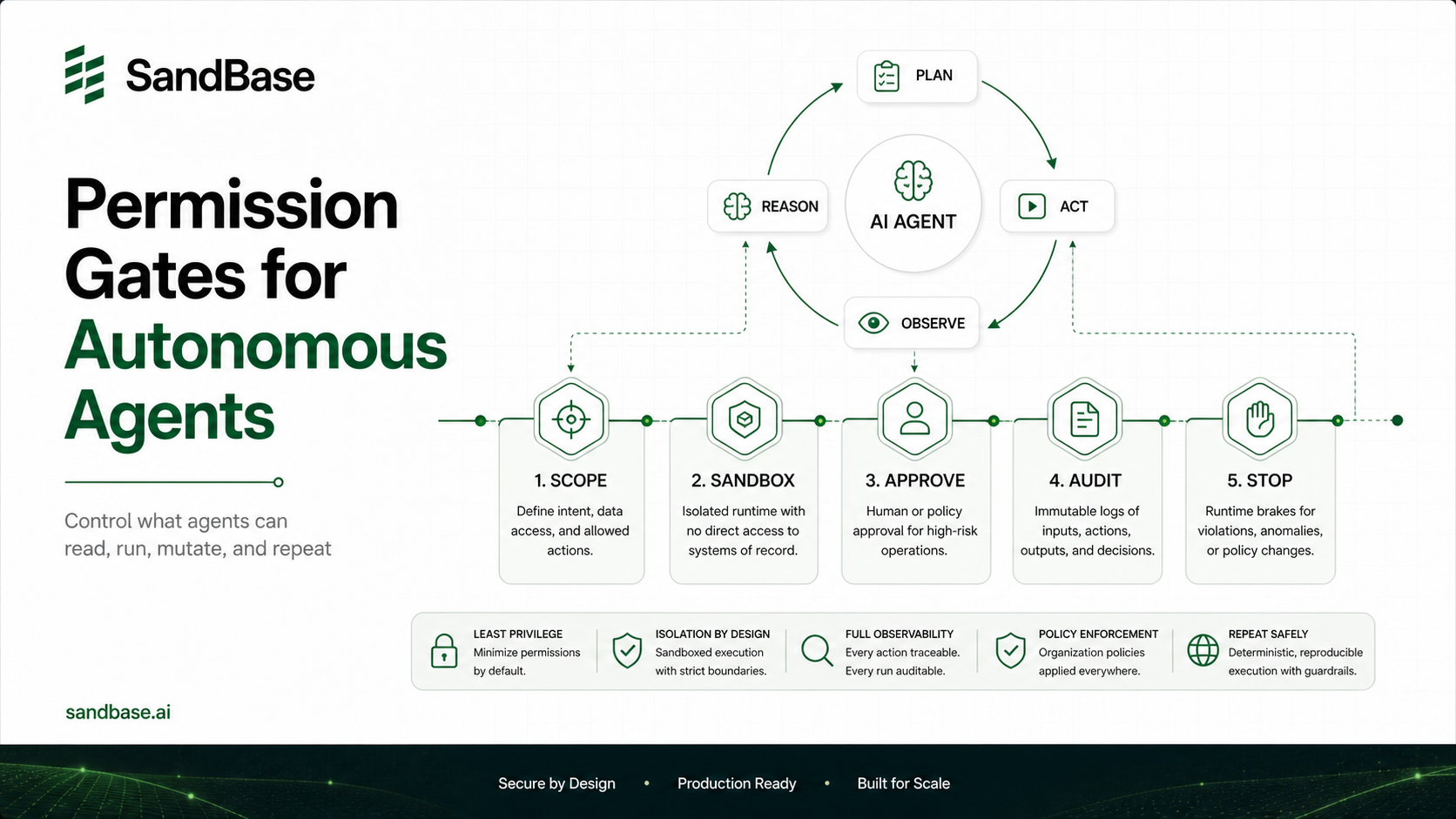
Pre-Action Authorization for AI Agents
Pre-action authorization checks every AI agent tool call before it runs. Learn how to gate reads, writes, code execution, and loops.
Pre-action authorization checks every AI agent tool call before it runs. Learn how to gate reads, writes, code execution, and loops.
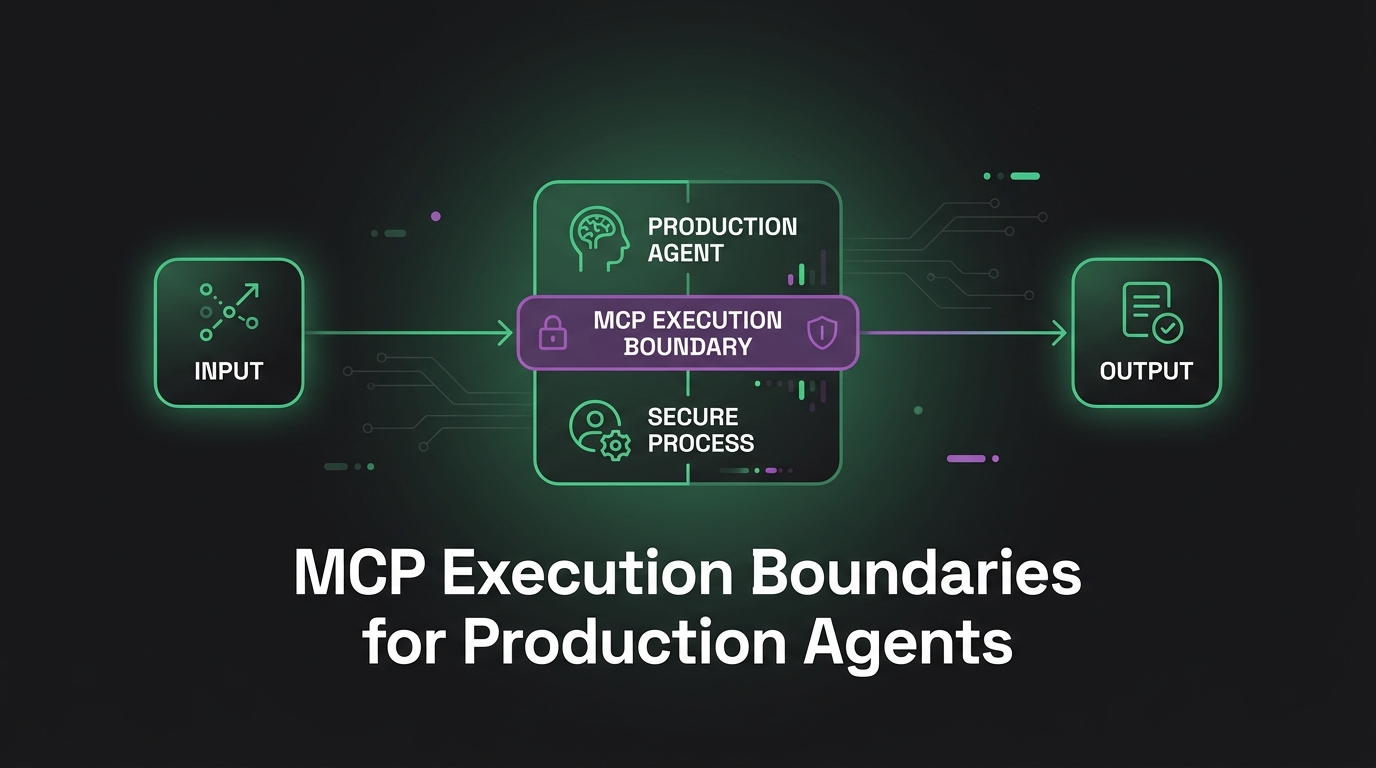
MCP execution boundaries help production AI agents use tools safely. Learn what to control after tools are connected and before loops run.
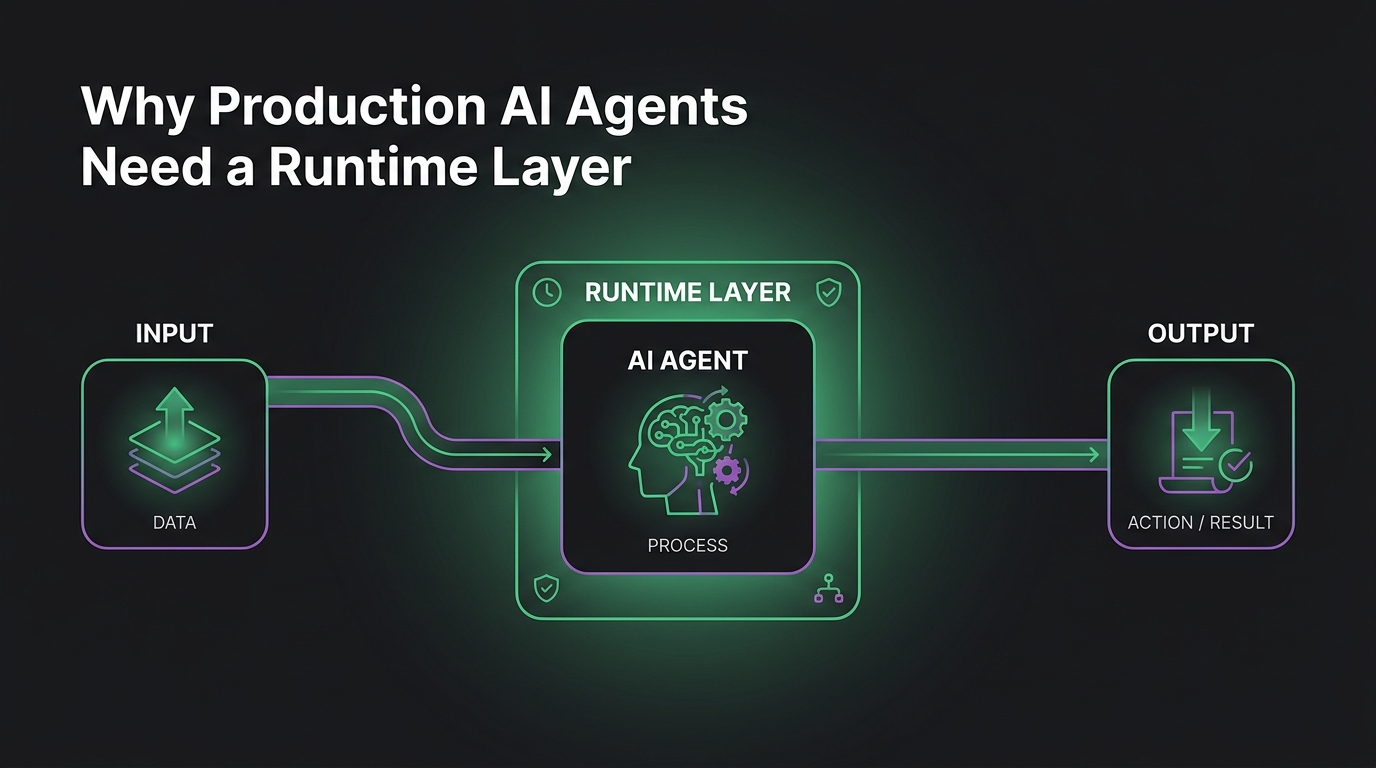
The agent runtime layer is the production infrastructure between your framework and model. Why it decides durability, isolation, and recovery.
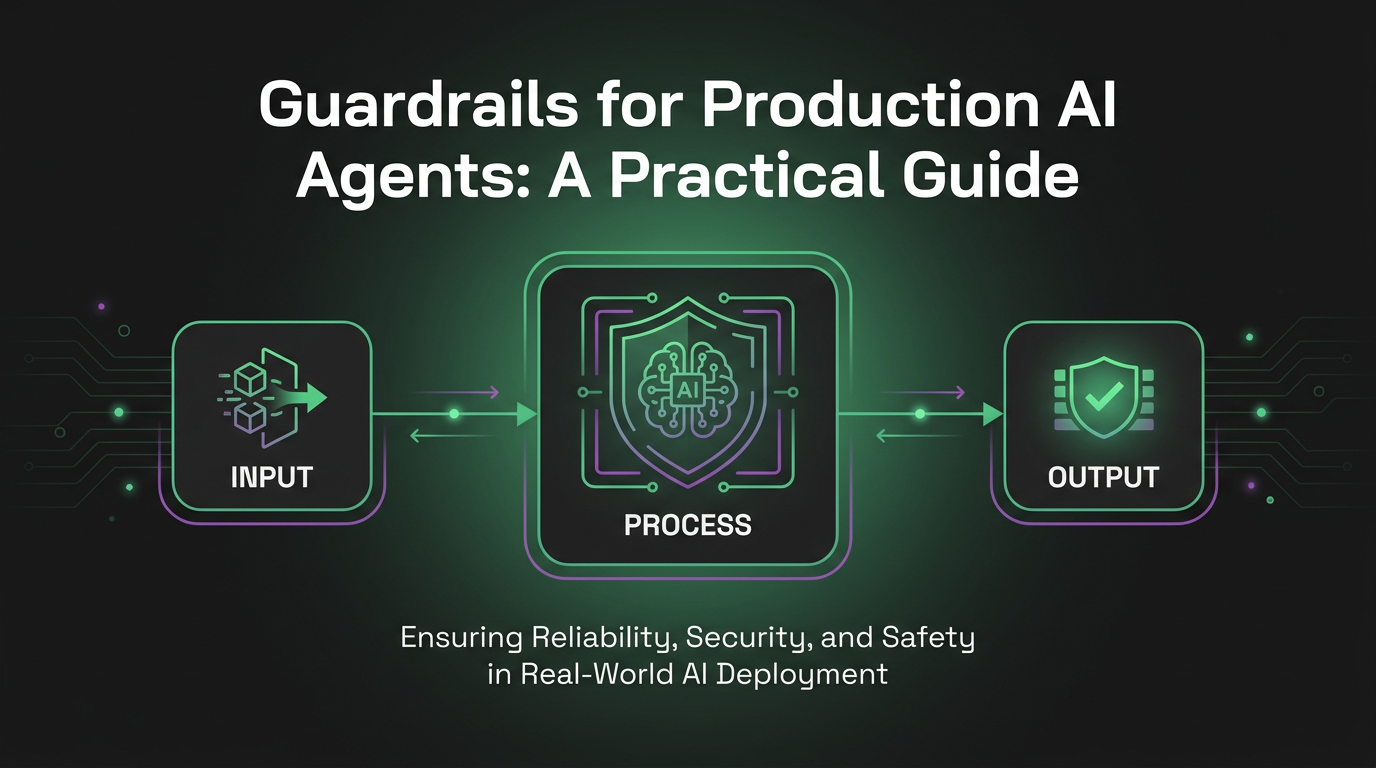
Real guardrails for AI agents in production: input validation, action allow-lists, sandboxing, cost ceilings, and human-in-the-loop. Patterns you can ship.
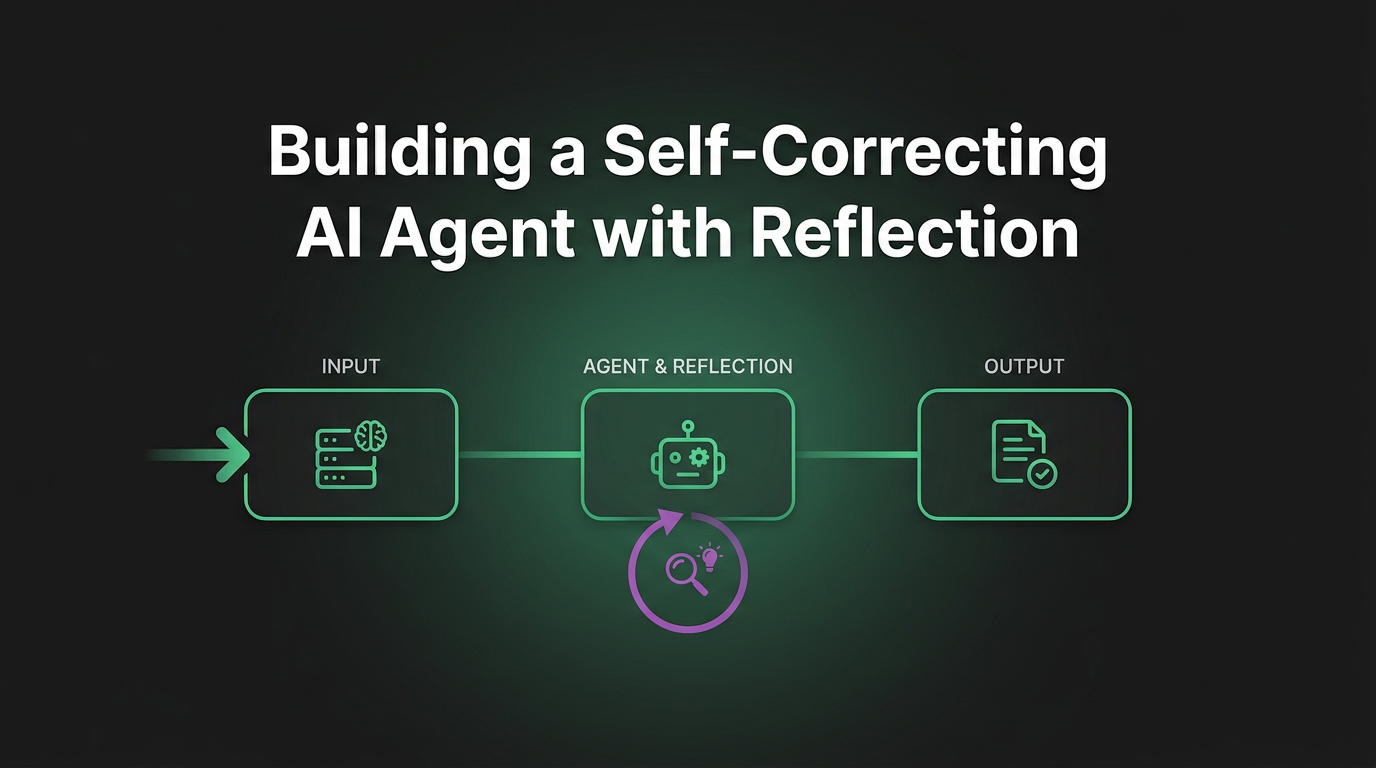
How to build a self-correcting AI agent using the reflection pattern and persistent memory. A runnable Python loop that critiques and fixes its own output.
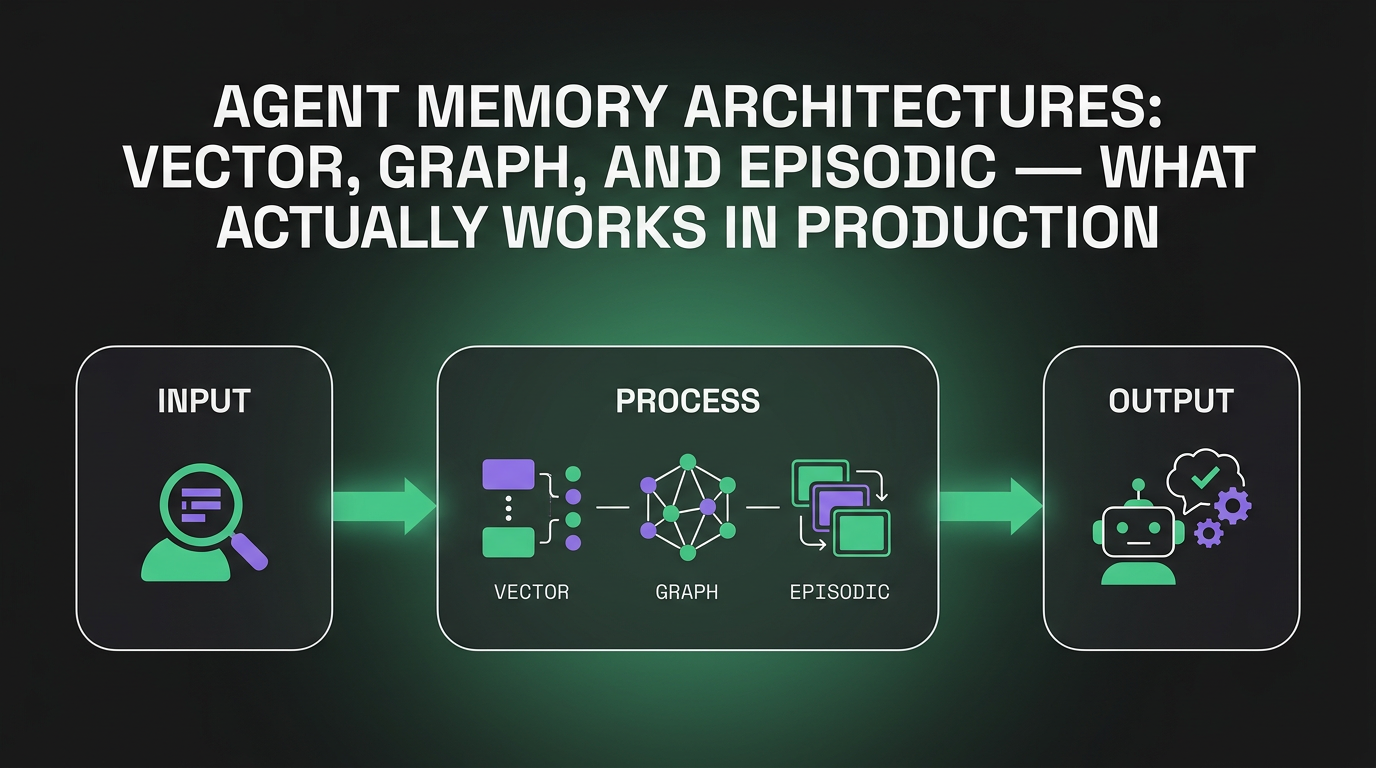
Compare the three agent memory architectures in 2026 — vector recall, knowledge graphs, and episodic buffers — with real latency numbers, failure modes, and a decision guide.
How to build cron-driven AI agents that run autonomously on a schedule in 2026: the architecture, idempotency and failure handling, and the cost traps of always-on automation.
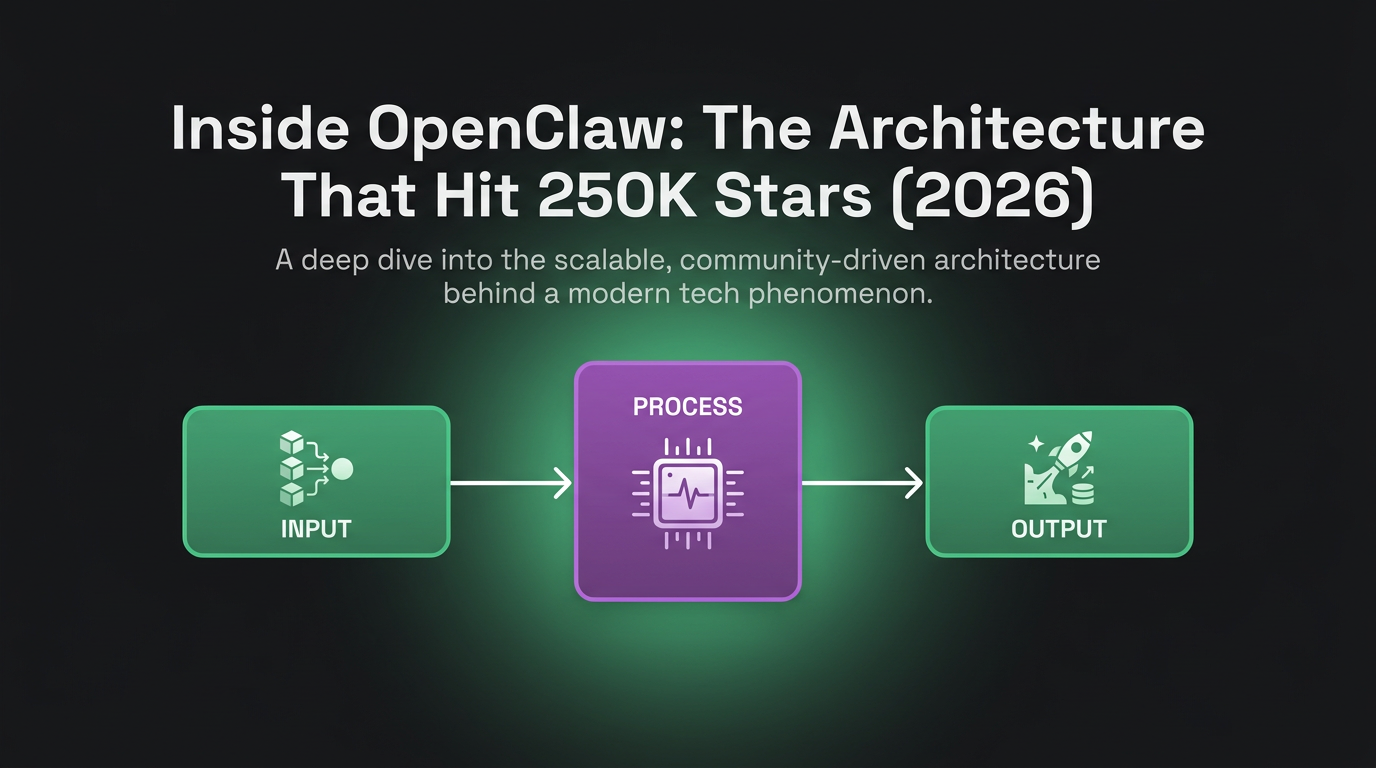
An architecture teardown of OpenClaw: the three-layer pipeline, the seven-stage agentic loop, and why a self-hosted chat gateway became one of the fastest-growing repos ever.
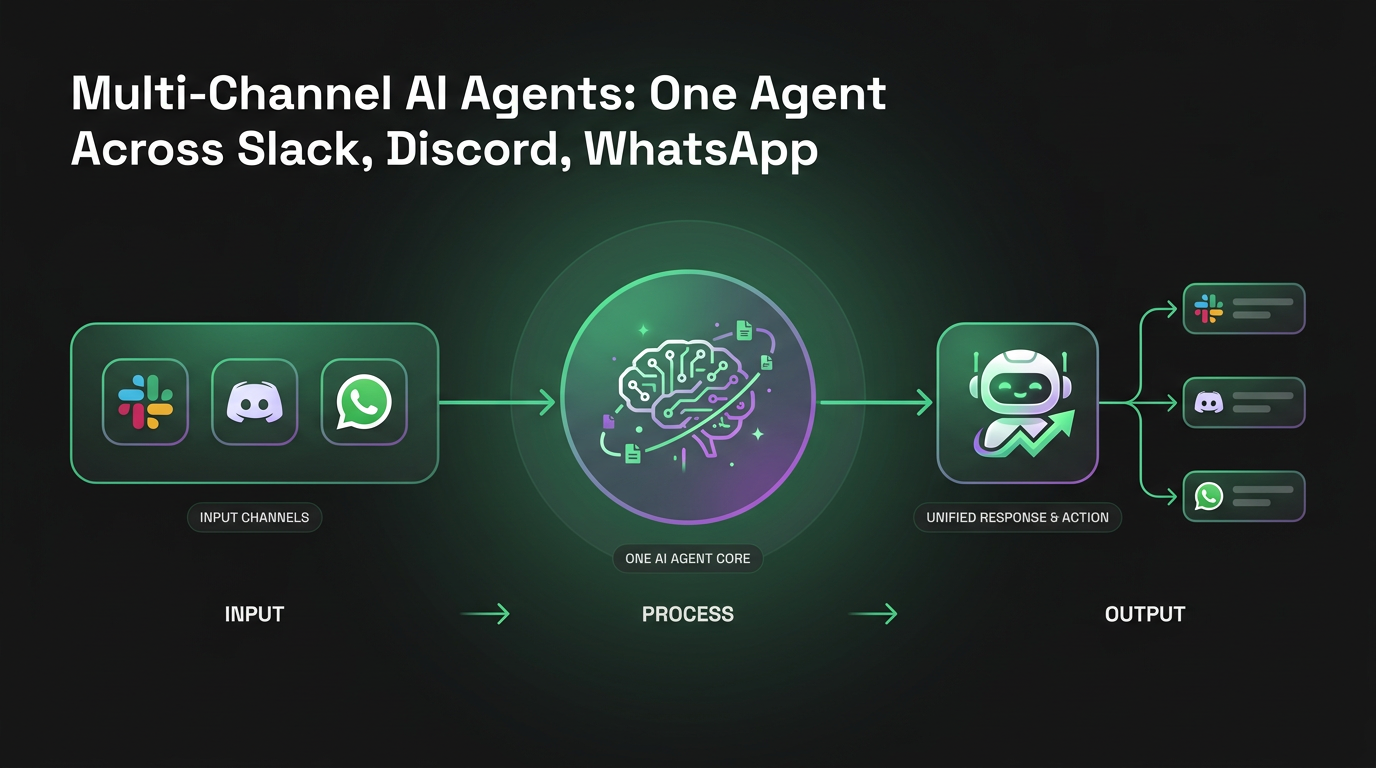
How to run one AI agent across Slack, Discord, and WhatsApp in 2026: the gateway pattern, session identity, per-channel quirks, and the state-sync problems nobody warns you about.
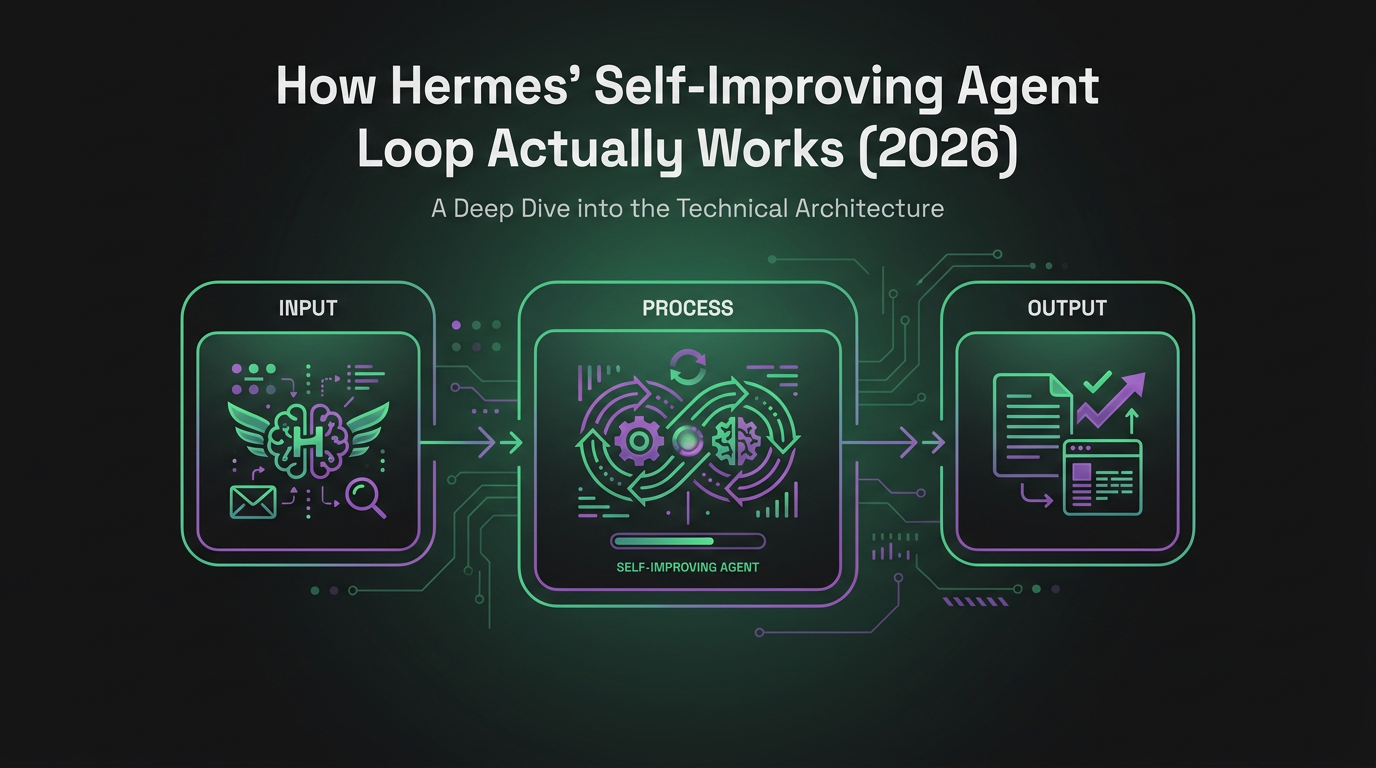
How Hermes Agent's self-improving loop works in 2026: the skill-generation mechanism, what it actually persists, and where the 40% task-time gains come from.